


Find More Lazy Pages On
Stay up to date with the latest from my blog:
-
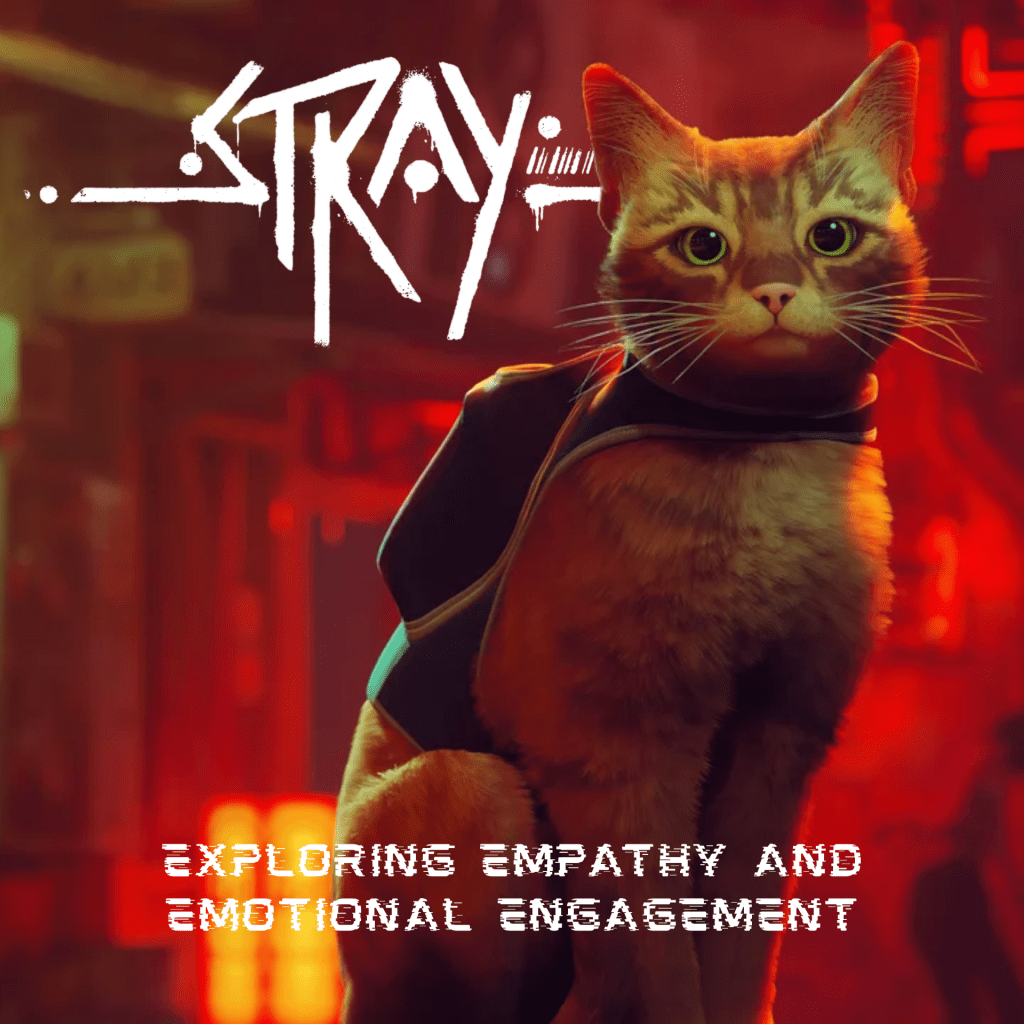
BCM 215 – Progress Report
The Game: The video game Stray (BlueTwelve Studio 2022) is a third-person adventure RPG primarily set in a post-apocalyptic, neon cybercity inhabited only by robots. The game begins when a mischievous orange cat accidentally becomes separated from its family, falling tragically into the bowels of an underground cybercity. With the help of a few humanoid…
-

Digital Artifact Pitch
The growing focus on health and nutrition has made recipe sharing an increasingly popular niche in cyberculture. At the same time, artificial intelligence (AI) is entering our everyday lives, with large language models (LLMs) now utilised for generating meal plans, shopping lists, and even recipes. This raises an interesting question: is AI able to take…
-
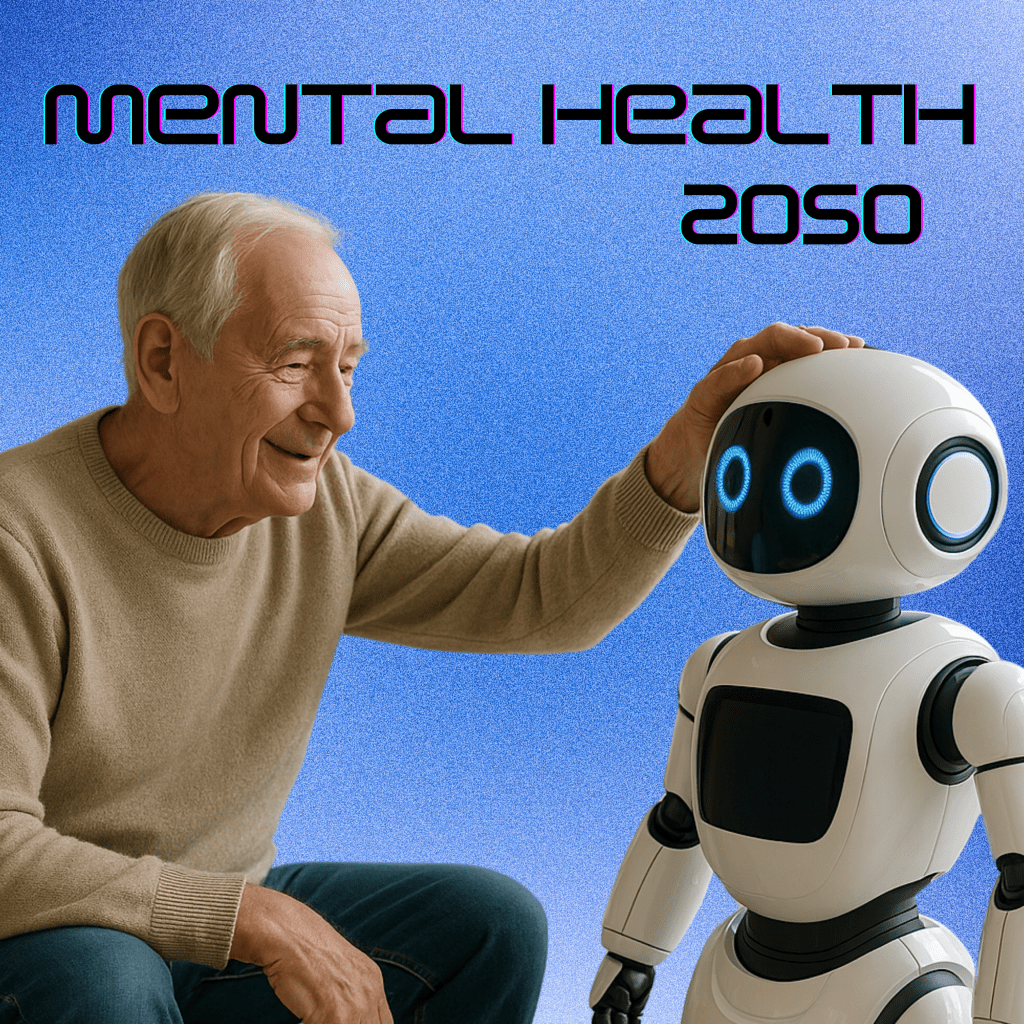
Mental Health in 2050: Navigating the Possible, Probable, and Preferable Futures
As we settle into the 21st century, mental health challenges are becoming increasingly urgent. The way we are ‘feeling’ is becoming more important to society and our daily lives. With mental health already being one of the defining challenges of our time, the World Health Organization (WHO 2022) estimates that depression and anxiety cost the…
-

Living the Future: Reflecting on Decision, Death, and Digitality in Three Sci-Fi Films
Critically engaging with The Matrix (1999), Arrival (2016), and Ready Player One (2018) through futures studies reshaped how I think about science fiction. These films are not just entertainment, but spaces for exploring what it means to think about tomorrow. Each was analysed using a different framework: decision-making (The Matrix), time, death, and the Anthropocene…
-

Procrastination Behaviours – Survey Available Now!
Procrastination is something many university students are familiar with—putting off tasks until the last minute, starting assignments the night before they’re due, or rushing to meet multiple deadlines in a packed schedule. But why do students procrastinate, and does it actually affect academic performance? As part of my BCM 212 research project at UOW, I’m…
-
What Will Cities Look Like in 2040? Imagining Urban Life with Smart Technology
As cities continue to grow and populations increase, it becomes more urgent to question how we will live. Urbanisation is accelerating at an unprecedented pace, presenting both opportunities and challenges. By 2050, the global urban population is expected to be 68%, nearly doubling the 3.5 billion worldwide in 2010 (United Nations 2019). This rapid urbanisation…

 Lazy Pages