
Pinterest, in my opinion, is the most interesting social media platform of them all. Predominantly used as a visual search engine and content curation site, Pinterest’s main features evidently lack the ‘social’ aspect of social media.
My initial reason for using Pinterest as a young teenager was to compile images of things I wanted, but couldn’t have. Nail art, clothing styles, interior decorating styles and tattoos. While I enjoyed my time curating these aesthetic images, it didn’t serve any greater purpose other than inspiration. Some might call it a waste of time, but unlike other social media platforms, I felt truly free to express myself through other user’s images.
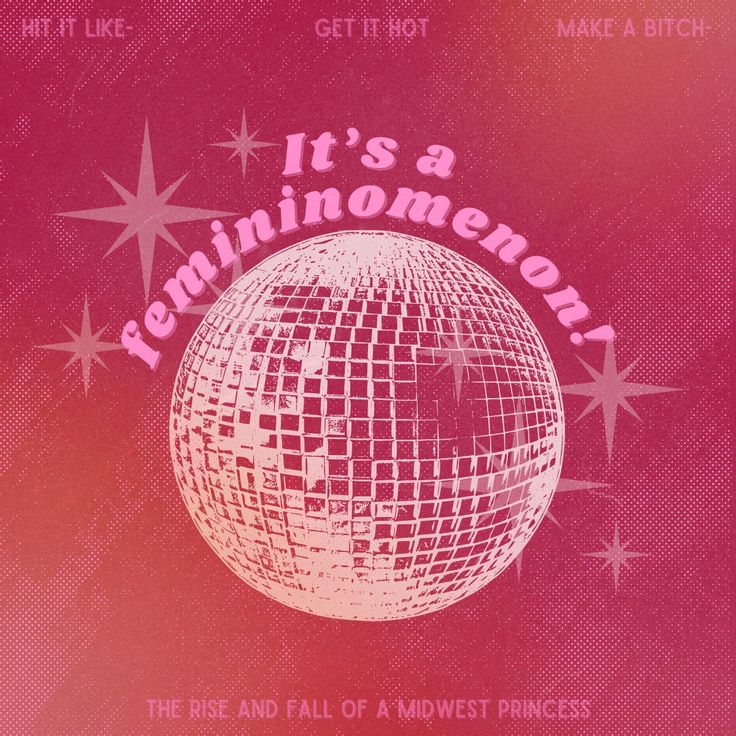
Since then, I have begun to express myself differently on Pinterest. By posting phone wallpaper images I have created, I have managed to amass 80,000 monthly views on my page. The best part of Pinterest tis posting art online and seeing how my art has developed since first posting. It is also great seeing how people who have similar interests can like and share your creations until, sometimes, it goes semi-viral. While I don’t have many traditional ‘followers’ on my page, I find this to be advantageous as it allows me to express myself sincerely, without feeling the need to push content or monitor competition. In my opinion, the lack of social pressure makes me more motivated to make things other people, and myself, will enjoy. I undoubtedly still use Pinterest for my own personal enjoyment, finding inspiration from like-minded individuals and pinning them to my page. This process tends to be similar to scrapbooking, where the line between consumer and producer are blurred.

In D’Amore’s 2016 article, she refers to Pinterest as a ‘virtual filing cabinet’ where the Pinterest community only exists, in her mind, as a provider of inspiration for her own interests and aesthetics – her own actions ‘anonymous and flitty’ without concern for who owns the pins she has tagged on her page. This brings up the question: is Pinterest really a creative outlet, or is it simply a way to organise your interests in tidy drawers? If the latter is true, it isn’t necessarily a bad thing. Like I stated earlier, this can lead to greater freedom of expression. According to one article, Pinterest users have also shown lower levels of self-monitoring compared to Instagram users, which can result in differences in information processing (Tomovska 2022). For example, those with lower levels of self monitoring tend to have greater involvement with products, rather than concern with the products’ social appeal (Tomovska 2022).

Over all, I’ve found that Pinterest is an incredible tool to use when you want to express yourself creatively, organise your thought and destress. While the way I use Pinterest has evolved over the years, my original thoughts and feelings about the app remain the same. I feel happy that my contributions to the app are worthy to be pinned to others user’s pages, and I look forward to seeing how Pinterest will evolve, alongside my creativity and interests, into the future.
References
D’Amore, M 2016, ‘Crafty Bricolage: Pinterest as Digital Scrapbooking’, New American Notes Online, vol. 1, no. 10.
Tomovska, E 2022, ‘The Emergence of Fashion Elements in Protective Facemasks during the Early Stages of Covid-19 pandemic: Evidence from Social media: Part II: Investigation of Facemask Trends among Pinterest Users’, Tekstilna Industrija, vol. 70, no. 1, pp. 23–28.

 Lazy Pages
Leave a comment