
Throughout my digital artifact journey, the creation of my brand Lazy Pages has allowed me to think more digitally, consistently going through the design phases and making sure that my content was aligning with my audiences wants and needs. From being a independent news source to a content curation page, Lazy Pages has gone through many phases and I am glad to say that it is now at its most productive, with 1800 monthly views on Pinterest thanks to constant ideating and prototyping throughout the semester.

My project, Lazy Pages, is aimed at providing visually appealing content for Gen Z. Through iterative design thinking phases, I totally broke and remade my digital artifact and used tips shared by my network partners to change platforms, content creation style, and engagement strategies. I analysed these processes through the lens of collective intelligence and algorithms and data, exploring how multiple user contributions can shaped a project’s evolution.


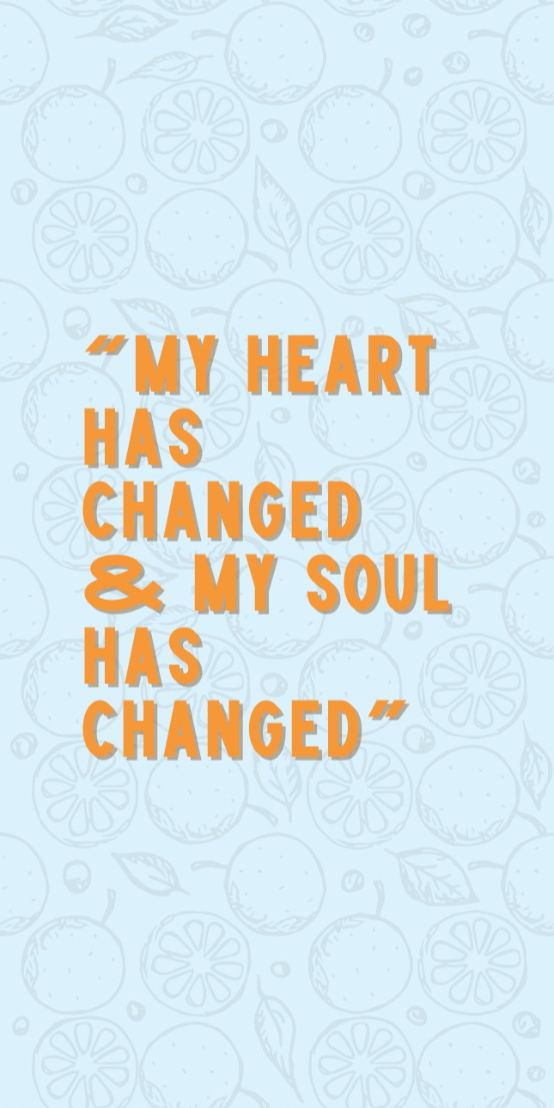


In this secondary phase of the project, I took a step back and evaluated what parts of my project I was and wasn’t enjoying. Upon reflection, I realised that I just wasn’t passionate about the news content I was creating, and that I‘d rather focus more on the visual appeal of the images I was creating. This led me to define the problem: I needed to completely rethink what kind of content I was creating and curating.
Inspired by something I used to do for fun many years ago, I began to create iPhone Wallpapers in Canva related to my favourite music artists and their lyrics (think Noah Kahan, Olivia Rodrigo and Taylor Swift). I posted these on my Pinterest page, along with curated content from other users, and left it for a few days. I then came back and checked my stats and realised that I had gained roughly 300 views. This was more than I’d ever received on my website and was extremely encouraging. In consultation with my network partners I began to think more strategically about conquering Pinterest’s algorithms which lead to some really great advice (such as: focus on a ‘niche’ and create conformity in your boards).

In this phase of my digital artifact, I recognized a shift in my interests and passions. I evaluated my work and discovered a lack of enthusiasm for the news content I was producing. This reflection taught me some lessons, the most important being that there is power in leveraging past hobbies or interests as inspiration. I also learnt that it is important to seek guidance from peers as they often have great insight or experience with the platforms you’re navigating. And overall, that the understanding of niches and consistency of content creation is key for Pinterest success.
Collective intelligence refers to the phenomenon where individuals’ combined efforts lead to outcomes surpassing any single person’s capabilities (Sassi et al. 2022). In the context of my project, Lazy Pages, collective intelligence is evident in various aspects. Because Pinterest has really comprehensive statistics to analyse, Its easy to see what content engages my audience. In this way, the audiences participation (or lack of) shapes what content I will post next. Knowing how ingrained internet users are in the design process, their ubiquitous connectivity and fast feedback loops are vital to the success of a Pinterest page.
Furthermore, my Pinterest page was certainly created with the long tail in mind. I leveraged the long tail on Pinterets by identifying the subcultures on the platform (for example: the purple Olivia Rodrigo aesthetic and sepia toned posts for Taylor Swift’s ‘The Tortured Poets Department’) and created content tailored to their interests. Through examining this artifact through the lens of the long tail, I found that there was a lot of value in catering to niche interests and audiences.
An overarching lesson learned from this journey with Lazy Pages is the importance of staying adaptable and responsive to changing interests and passions. I learnt to never be afraid to break and remake my digital artifact even after so many weeks, as you can’t force relevancy, engagement, views, and interest. It’s very easy to become invested in your artefact, but by changing it up you have ample opportunity to reflect on what you’ve learned, especially now that you know what doesn’t work.


 Lazy Pages
Leave a comment