
Alright, lets set the scene.
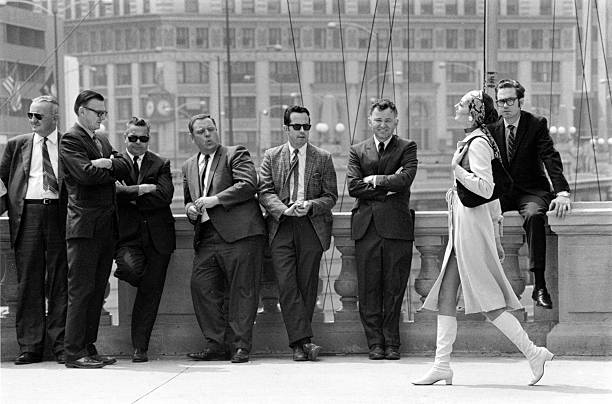
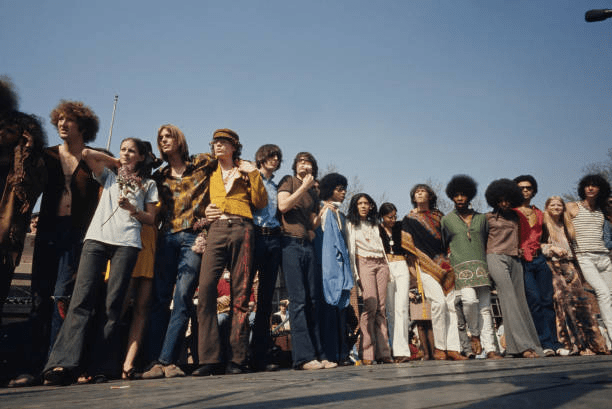
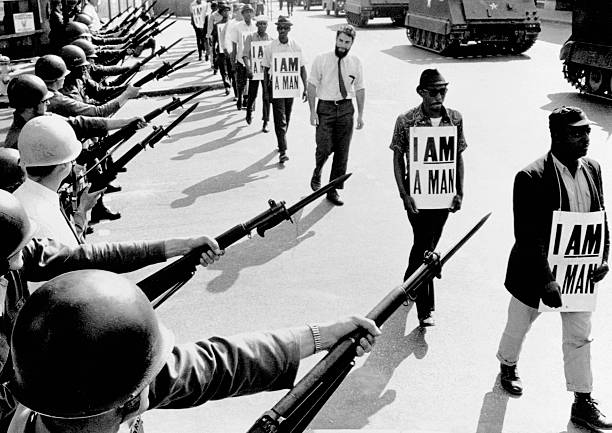
It’s the Sixties in America. Everyone is wearing go-go boots and bell-bottoms, participating in the Summer of Love and trying hallucinogenic drugs. But more significantly, there is profound social upheaval in the form of civil rights movements and anti-war sentiment against The USA’s involvement in the Vietnam War. This spawned a massive ‘counter-culture’ which was a movement amongst young people which promoted peace, individualism and social reform, and refused to participate in mainstream American culture and societal norms (Hayes 2022).
In the world of marketing, there were massive changes as well. The establishment of ‘brand personalities’ became the biggest trend – think Ronald McDonald or the Pillsbury Doughboy – and creativity was essential for players in the advertising game (MBC 2022). Driven by massive societal, political and economical changes, this creative era of marketing was very much considered the ‘Golden Age of Advertising.’
That brings us to… The Uncola?
Fully embracing the wave of counterculture, 7up brings out their ad campaign advertising the ‘Uncola.’ This cheeky spin-off of massively popular brands such as Coca Cola and Pepsi was extremely successful (McDonald 2017).
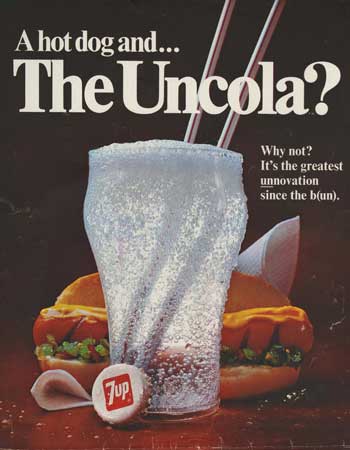
Before the campaign, not many people were drinking 7up. Many simply believed 7up to be a tonic to calm an upset stomach, but executives within 7up believed that the drink had the potential to measure up to popular cola beverages.
So, with a new marketing team, 7up was advertised to be, according to McDonald (2017): ‘the ultimate oppositional drink.’ Instead of 7up marketing the product by showing it’s similarities to leading products, it highlighted its differences, seizing the oppositional energy of the late 1960’s. This campaign even played up its opposition as ‘the establishment’ which increased 7up’s appeal to an alternative crowd (McDonald 2017).
Interpreting Media
This campaign very much demonstrates how media can be interpreted based on the audience it’s presented to. An image’s connotations sometimes can be very different to its denotation, or literal meaning.
“The term ‘connotation’ is used to refer to the socio-cultural and ‘personal’ associations (ideological, emotional etc.) of the sign. These are typically related to the interpreter’s class, age, gender, ethnicity and so on.”
(Chandler 2021)
| Denotations | Connotations |
|---|---|
| Refreshing clear beverage and a tasty looking hot dog. “A hot dog and the Uncola?” slogan. Puns about the ‘un.’ Small 7up logo in the corner. | Oppositional tone. “7up is an alternative to popular brand – and is better.” “7up is for young people who embrace counterculture” |
But there are a range of interpretations that can be made about this ad – it’s entirely subjective.
One person could look at this and think, “Wow, 7up really wants to be just like Coca Cola,” while the next person thinks “7up is really demonstrating how they’re an alternative to Coca Cola.”
Someone may even look at this and say ‘Uncola must be a new brand – I’d like to try that.” The beauty of connotations is that there is no right answer.
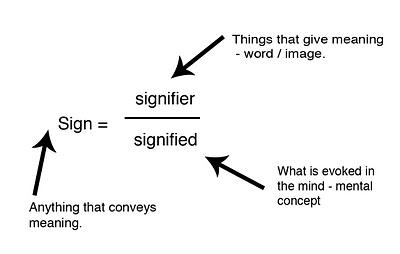
There is also this idea of the ‘signifier’ and the ‘signified.’ While there was no explicit reference to counterculture, popular cola brands or alternative thinking, the signifier ‘Uncola’ signified these meanings throughout 7up’s ad campaign for many young people in the 60’s.
In conclusion, it’s clear to see how interpretations of media can massively vary based on societal contexts and individual perspectives, ultimately highlighting how subjective advertisement messaging in particular can be.
So, when you look at an image what do you see?
References
Chandler, D 2019, Semiotics for Beginners: Denotation, Connotation and Myth, Visual-memory.co.uk.
Hayes, A 2022, The Counterculture Hippie Movement of the 1960s and 1970s, The Collector.
MBC 2022, Golden age of advertising – why the 1960s was the start, MBC.
McDonald, A 2017, Uncola: Seven-Up, Counterculture and the Making of an American Brand, The Devil’s Tale.



 Lazy Pages
Leave a comment