
Privacy Concerns and Digital Governance
The proposed legislation to ban TikTok in the United States underscores growing concerns about digital privacy and control across the Western world. As governments grapple with the implications of extensive data collection by social media platforms, the debate surrounding TikTok serves as a catalyst for broader discussions about regulatory frameworks and individual rights in the digital age.
The potential ban on TikTok highlights the need for comprehensive data protection measures and transparency standards that apply not only to Chinese-owned platforms but to all social media companies operating within Western jurisdictions. This could lead to increased scrutiny and regulation of data practices across the entire tech industry, shaping the landscape for digital governance in Western democracies such as Australia and the US.
National Security and Economic Interests:
The US legislation targeting TikTok reflects broader concerns about national security and economic interests in the Western world. By singling out TikTok due to its Chinese ownership, policymakers are signaling a shift in attitudes towards foreign-controlled digital platforms and their perceived risks to national sovereignty and economic competitiveness.
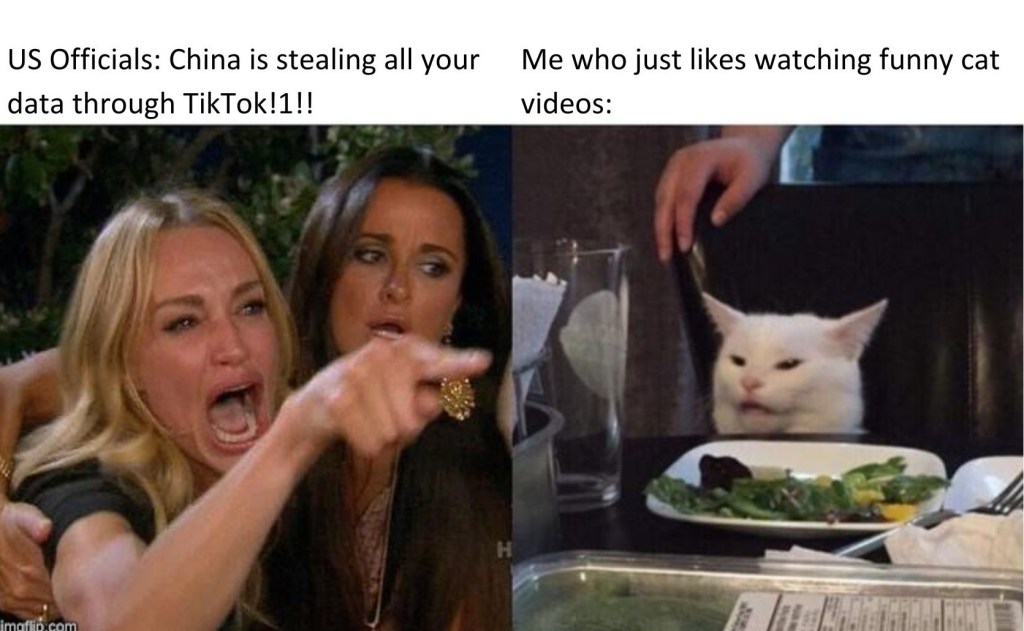
Essentially, The US government is worried about two main things when it comes to TikTok: national security and money. They’re concerned that because TikTok is owned by a company from China, it might be doing things with the data that could harm America and it’s interests.
The proposed ban on TikTok could prompt other Western nations to reassess their own regulatory approaches to foreign-owned social media platforms. Countries may enact similar measures to safeguard their national interests and mitigate potential security risks associated with data collection by foreign entities. This could lead to a more fragmented regulatory environment for tech companies operating globally, with implications for cross-border data flows and international trade.
So, if each country has its own rules about how data should be handled, it could make it harder for companies to do business internationally. For example, they might have to change how they store or use data depending on where their users are from. This could slow down innovation and make it more expensive for companies to operate globally.
And when international trade gets affected, it means it could be harder for companies to sell their products or services in other countries.
Cultural Influence and Soft Power Dynamics:
Soft Power:
Soft power is the ability to co-opt rather than coerce. It involves shaping the preferences of others through appeal and attraction. Soft power is non-coercive, using culture, political values, and foreign policies to enact change.
TikTok’s popularity as a global social media platform has made it a significant cultural influencer, particularly among younger demographics. The potential ban on TikTok in the United States could diminish its influence in Western markets, reshaping the dynamics of cultural exchange and soft power projection in the digital realm.
Western countries may seek to promote alternative platforms or develop indigenous social media alternatives to TikTok, reflecting concerns about foreign influence over digital content and narratives. This could lead to increased competition among social media platforms and new opportunities for innovation in the Western tech industry.
Diplomatic Relations and Global Governance:
The US legislation targeting TikTok could have diplomatic repercussions for Western countries’ relations with China and other nations. The proposed ban could exacerbate tensions between the United States and China, potentially leading to retaliatory measures and strained diplomatic relations.
Other Western nations may face pressure to align themselves with the US position on TikTok or navigate a delicate balancing act between economic interests, security concerns, and diplomatic considerations. This could further complicate efforts to forge consensus on global governance issues related to data privacy, cybersecurity, and digital trade.
In summary, the US legislation to potentially ban TikTok has far-reaching implications for the rest of the Western world, shaping debates about digital privacy, national security, cultural influence, and global governance in the digital age. As policymakers grapple with these challenges, they must strike a balance between safeguarding individual rights and fostering innovation in the digital economy while navigating complex geopolitical dynamics.




 Lazy Pages
Leave a comment