
What’s Going On?
Let’s delve into a concerning issue that is currently plaguing Australian shoppers – price gouging in our supermarkets. These establishments are essential for our daily needs, yet since COVID, it has become highly apparent that they do not have our best interests at heart. With widespread allegations of inflated prices spanning from bread to hand sanitizer, it’s extremely important that we shed light on these dodgy practices. Moreover, authorities like The Australian Competition and Consumer Commission (ACCC) have initiated investigations, signaling a critical juncture in addressing this matter. Let’s delve deeper into this situation.

Diving into the Gouging Game:
What drives this unsettling phenomenon of price gouging? Imagine stepping into your local supermarket, intending to do your normal weekly shop, only to find prices significantly escalated overnight. Suddenly, the loaf of bread you purchased last week has doubled in price, and essentials like hand sanitizer seem exorbitant. It appears as though these establishments are capitalizing on our essential needs, profiting at our expense. While market fluctuations are expected, such insane increases look much more like exploitation.
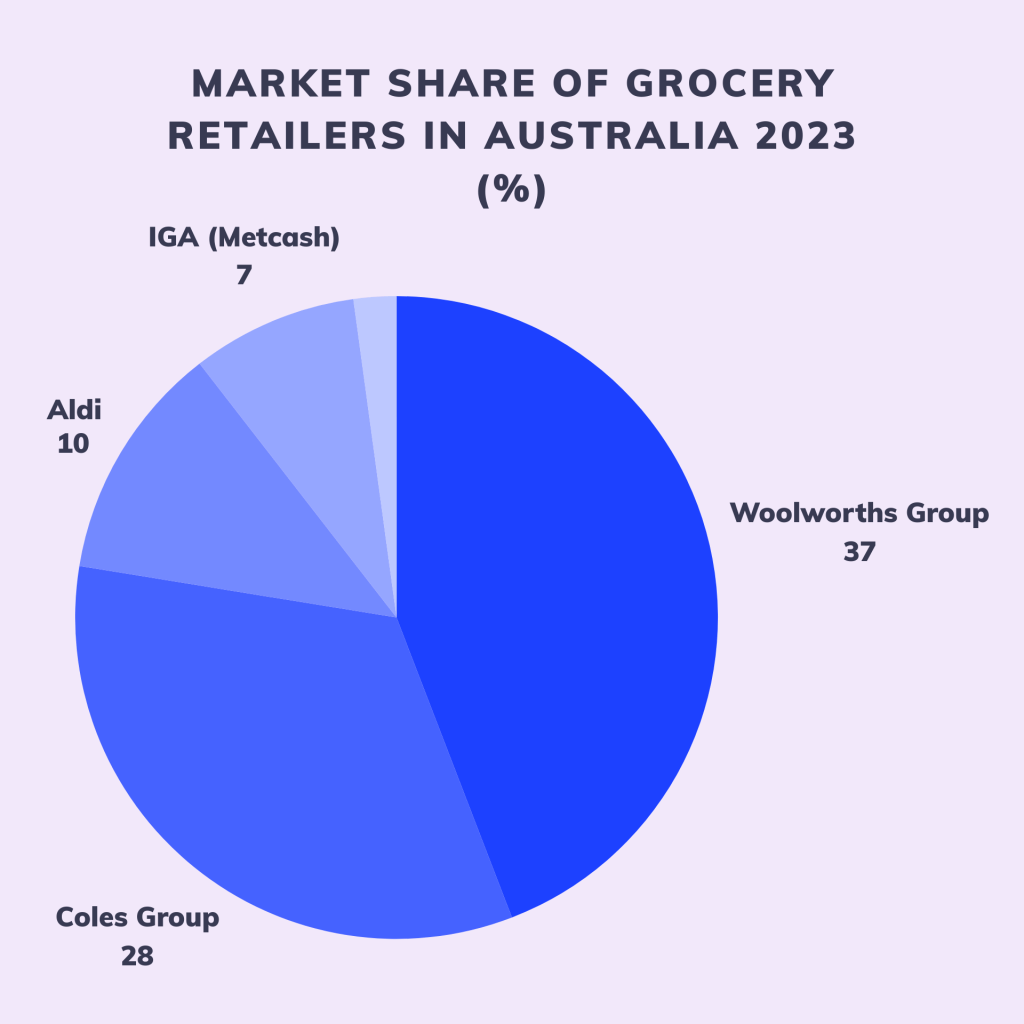
Part of the problem lies in the stranglehold that supermarket giants Coles and Woolworths have on the market. With their massive share of the grocery pie, they essentially hold all the cards. This dominance gives them the power to dictate prices and squeeze out smaller competitors, leaving Aussie consumers with little to no options when faced with unfair pricing practices. It’s a classic case of big fish eating the little fish – and we’re the ones left swimming in their wake.
Pandemic Profiteering:
Supermarkets witnessed unprecedented profits amidst the pandemic-induced chaos. The surge in panic-buying, coupled with consumers flocking to stock up on essentials, resulted in substantial financial gains for major chains like Coles and Woolworths. While these corporations reaped the rewards, everyday Australians bore the brunt of inflated prices, exacerbating financial strain during an already challenging time. This exploitation underscores the epitome of corporate greed, capitalizing on crisis for personal gain.
Adding insult to injury, supermarket giants Coles and Woolworths recorded profits during COVID in excess of $1 billion with a nearly 5 per cent increase on the previous year. There’s no doubt supermarkets had profited from this inflation even as Australians struggled to put food on the table.
Inflation Insinuations:
Not to mention that supermarkets have attempted to shift blame onto inflation to rationalize their pricing strategies. They argue that rising costs across the board justify the additional burden on consumers. However, making out that the exorbitant prices are solely due to inflation is simply not the whole truth. A closer examination reveals insanely substantial profits amassed by these establishments during the pandemic, painting a starkly different narrative.

Regulatory Red Tape:
Thankfully, regulatory bodies such as the ACCC have intervened to address these concerning practices. Finally, action is being taken to hold supermarket conglomerates accountable for their questionable conduct. As of February 1st 2024, investigations have been launched, signaling a critical step towards ensuring fairness and transparency in pricing practices. It is so important that these investigations yield substantive outcomes to safeguard consumer interests
How Does the ACCC work?
| The Australian Competition and Consumer Commission (ACCC) is the primary regulatory authority tasked with promoting competition and protecting consumers in Australia. Established under the Competition and Consumer Act 2010, the ACCC operates independently and has significant powers to investigate and address anti-competitive behavior, consumer law breaches, and unfair market practices. Here’s how the ACCC works and what its investigation entails: 1. Investigative Authority: The ACCC has broad investigative powers granted by legislation to monitor and enforce compliance with competition and consumer laws. These powers include issuing notices to individuals and businesses to provide information or documents relevant to an investigation. 2. Competition Enforcement: One of the key roles of the ACCC is to maintain competitive markets by preventing anti-competitive conduct such as price-fixing, collusion, and abuse of market power. The ACCC investigates complaints and monitors markets to identify potential breaches of competition law. 3. Consumer Protection: The ACCC also safeguards consumer interests by enforcing consumer protection laws. This includes investigating misleading or deceptive conduct, unfair contract terms, and unconscionable conduct by businesses. 4. Initiating Investigations: Investigations by the ACCC can be initiated based on complaints from consumers, businesses, or other stakeholders, as well as through its own market monitoring activities. The ACCC may also proactively investigate industries or markets where there are concerns about anti-competitive behavior or consumer harm. 5. Gathering Evidence: During an investigation, the ACCC collects evidence through various means, including interviews, requests for documents, data analysis, and market studies. This evidence is crucial for establishing whether a breach of competition or consumer laws has occurred. 6. Enforcement Action: If the ACCC finds evidence of wrongdoing, it can take enforcement action against the parties involved. This may include issuing infringement notices, seeking court orders for penalties or injunctions, or initiating legal proceedings in the Federal Court. 7. Remedies and Compliance: In cases where breaches are proven, the ACCC may seek remedies to address the harm caused to consumers or competition. This could involve imposing fines, requiring businesses to change their practices, or implementing compliance programs to prevent future misconduct. 8. Education and Advocacy: In addition to its enforcement role, the ACCC engages in consumer education and advocacy efforts to raise awareness about consumer rights and promote competition. This includes providing guidance to businesses on compliance with the law and informing consumers about their rights and how to make informed choices. In the context of investigating price gouging in Australian supermarkets, the ACCC would likely undertake a thorough examination of pricing practices, supply chain dynamics, and market conditions to determine whether there is evidence of anti-competitive behavior or consumer law breaches. This may involve analyzing pricing data, conducting interviews with industry participants, and assessing the impact of pricing practices on consumers. If the investigation uncovers evidence of wrongdoing, the ACCC may take enforcement action to hold the responsible parties accountable and ensure fair treatment for consumers. |
Conclusion
The issue of price gouging in Australian supermarkets demands our attention and collective action. As investigations progress and consumer awareness grows, there is hope for meaningful change. It’s also important to keep in mind that price gouging isn’t just contained to our supermarkets, and that this investigation is just the beginning. After all, it’s us as consumers who sustain these establishments, and we need to make sure that corporate greed doesn’t continue to burden us in Australia.









 Lazy Pages
Leave a comment