
Introduction
In the annals of the music industry, few stories resonate as profoundly as the ongoing saga of ownership disputes. From artists fighting for control over their creations to the murky waters of copyright law, the struggle for ownership has been a constant theme. At the center of this narrative stands Taylor Swift, whose career has become a case study in the complexities and challenges of music ownership.

A Prelude to Battle
Swift’s journey into the world of ownership disputes began innocuously enough, with the release of her eponymous debut album in 2006. As a young artist bursting onto the scene with a unique blend of country and pop sensibilities, Swift quickly captured the hearts of millions of fans worldwide. However, it wasn’t long before she found herself embroiled in a battle over the rights to her music.
The first major conflict arose in 2019 when Swift publicly condemned music mogul Scooter Braun’s acquisition of her former record label, Big Machine Label Group. The deal, which saw Braun gain control over Swift’s entire back catalog up to her 2017 album “Reputation,” sent shockwaves through the industry. Swift, who had been vocal about her desire to own her masters, saw her hopes dashed as ownership of her early works slipped out of her grasp.
“Scooter has stripped me of my life’s work, that I wasn’t given an opportunity to buy. Essentially, my musical legacy is about to lie in the hands of someone who tried to dismantle it. For years I asked, pleaded for a chance to own my work. Instead, I was given an opportunity to sign back up to Big Machine Records and ‘earn’ one album back at a time, one for every new one I turned in.”
(Swift 2019)
The dispute with Braun shed light on a longstanding issue within the music industry: the lack of control that artists often have over their own creations. For Swift, the situation was particularly galling, as she had invested years of her life and poured her heart and soul into her music, only to find herself at the mercy of corporate interests.
But Swift refused to back down. In a bold move, she announced her intention to re-record her first six albums, thereby reclaiming control over her music and undermining the value of her original masters. The decision was met with widespread support from fans and fellow artists alike, with many applauding Swift’s defiance in the face of adversity.
Artist Empowerment amidst Industry Turmoil
Swift’s efforts to regain control over her music were not just a personal crusade; they were part of a broader movement within the industry to empower artists and give them greater ownership over their creative output. In recent years, artists such as Prince, Jay-Z, and Kanye West have all spoken out against the exploitative practices that have long plagued the music business, advocating for greater transparency and fairer compensation for creators.
Yet, the battle for ownership extends beyond individual artists to encompass broader questions of copyright law and intellectual property rights. The rise of digital streaming platforms has ushered in a new era of consumption, fundamentally reshaping the way music is distributed and monetized. In this brave new world, questions of ownership and control have taken on heightened significance, as artists grapple with the complexities of licensing deals and revenue-sharing agreements.
For Swift, the issue of ownership took on added urgency with the release of her critically acclaimed album “Lover” in 2019. In a departure from her previous work, the album marked a creative rebirth for Swift, showcasing her evolution as an artist and a songwriter. Yet, even as she celebrated the success of “Lover,” Swift found herself ensnared in yet another ownership dispute, this time over the rights to perform her older songs at the 2019 American Music Awards.
The dispute, which pitted Swift against her former record label and its new owner, once again highlighted the precarious position that artists often find themselves in when it comes to ownership rights. In a scathing statement posted on social media, Swift accused Braun and his associates of attempting to exert control over her music and undermine her artistic autonomy. The incident reignited public debate over the issue of ownership in the music industry, prompting calls for reform and greater protections for artists’ rights.
In the years since the release of “Lover,” Swift has continued to assert her independence and assert her rights as an artist. In 2020, she released two albums, “Folklore” and “Evermore,” both of which were hailed as masterpieces of songcraft and storytelling. Yet, even as she forged ahead with her career, Swift remained keenly aware of the challenges that lay ahead, particularly in the realm of ownership and control.
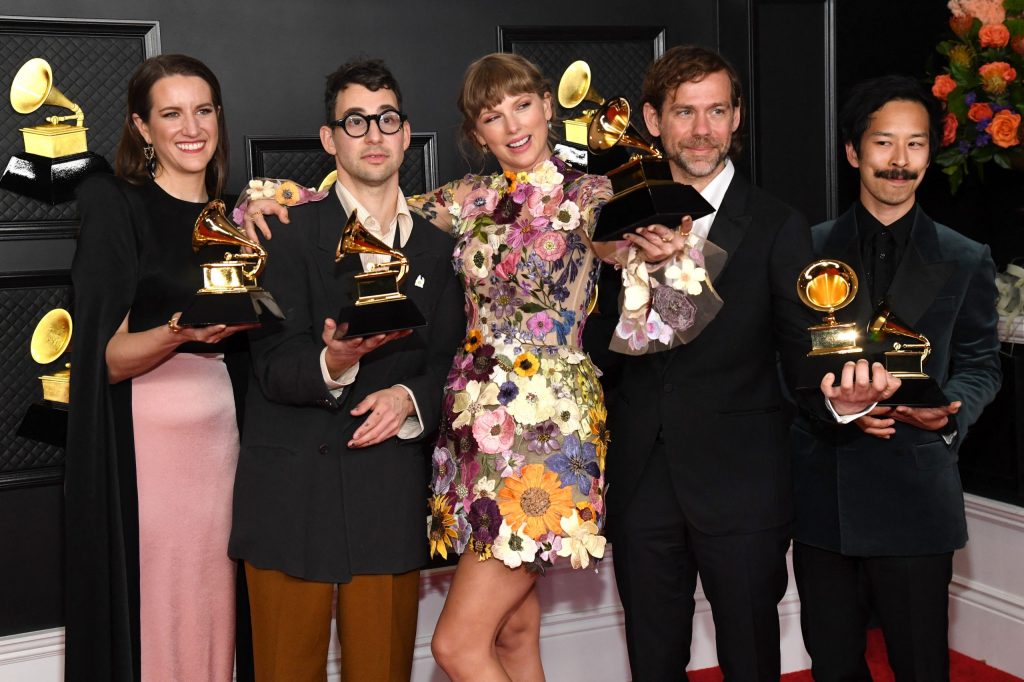
Taylor Swift’s Enduring Legacy
As the music industry grapples with the fallout from the COVID-19 pandemic and the ongoing shift towards digital distribution, the question of ownership has never been more pressing. In an era of increasing consolidation and corporate consolidation, artists face an uphill battle in their quest for greater control over their creative output. Yet, as the case of Taylor Swift demonstrates, the fight for ownership is far from over. With each new album and each new controversy, Swift continues to push the boundaries of what is possible, inspiring countless artists to follow in her footsteps and demand a fairer, more equitable music industry for all.
In conclusion, Taylor Swift’s journey through the music industry serves as a microcosm of the broader struggles over ownership and control that have long plagued the business. From her battles with record labels to her efforts to reassert control over her music, Swift has emerged as a champion for artists’ rights and a symbol of defiance against the forces of corporate greed. As the industry continues to evolve, Swift’s legacy will endure as a testament to the enduring power of artistry and the relentless pursuit of creative freedom.
“My hope for the future, not just in the music industry, but in every young girl I meet, is that they all realize their worth and ask for it.”
(Swift 2014)

 Lazy Pages
Leave a comment